The Importance of Regular Roofing Maintenance
February 19, 2026
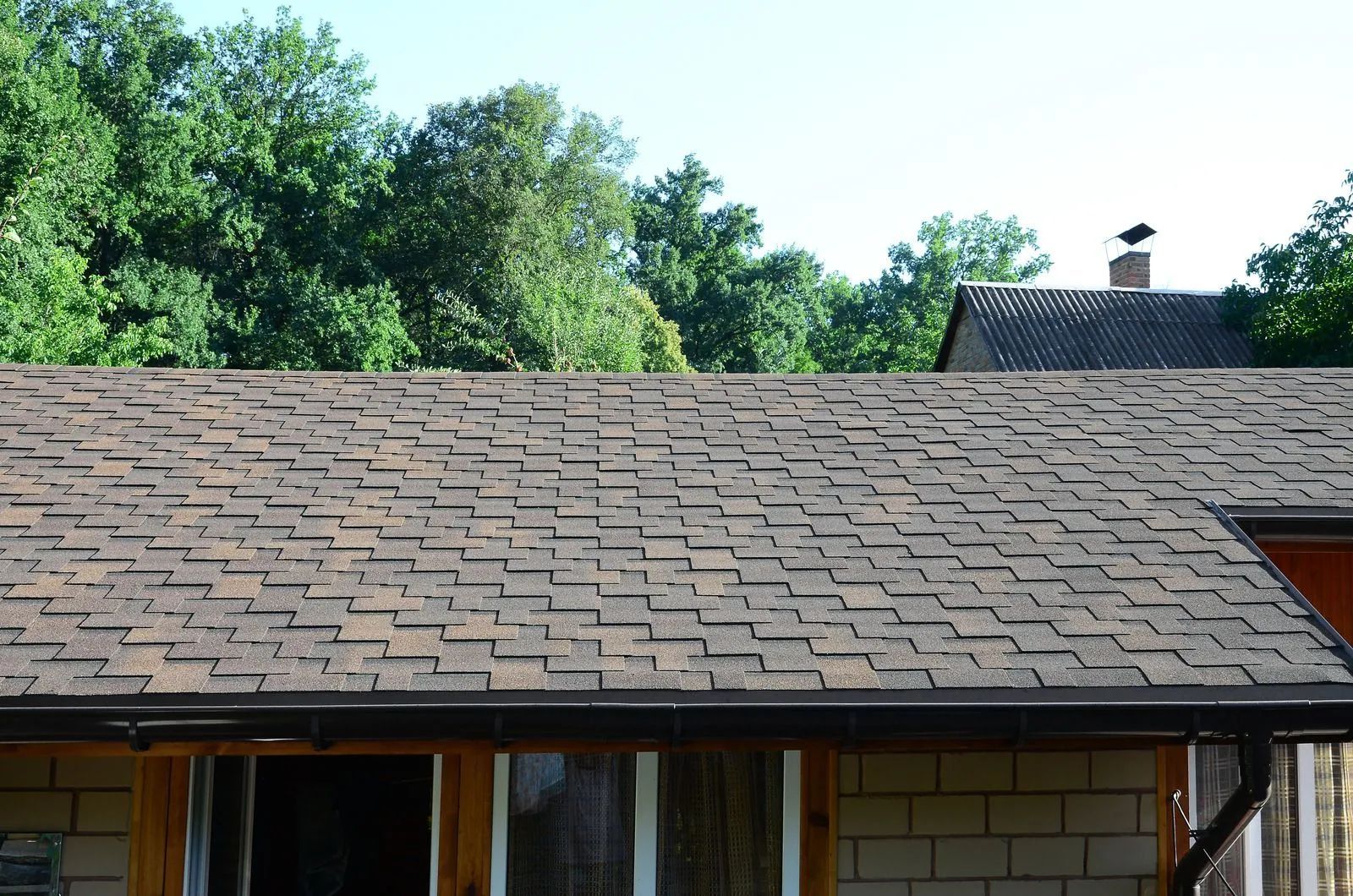
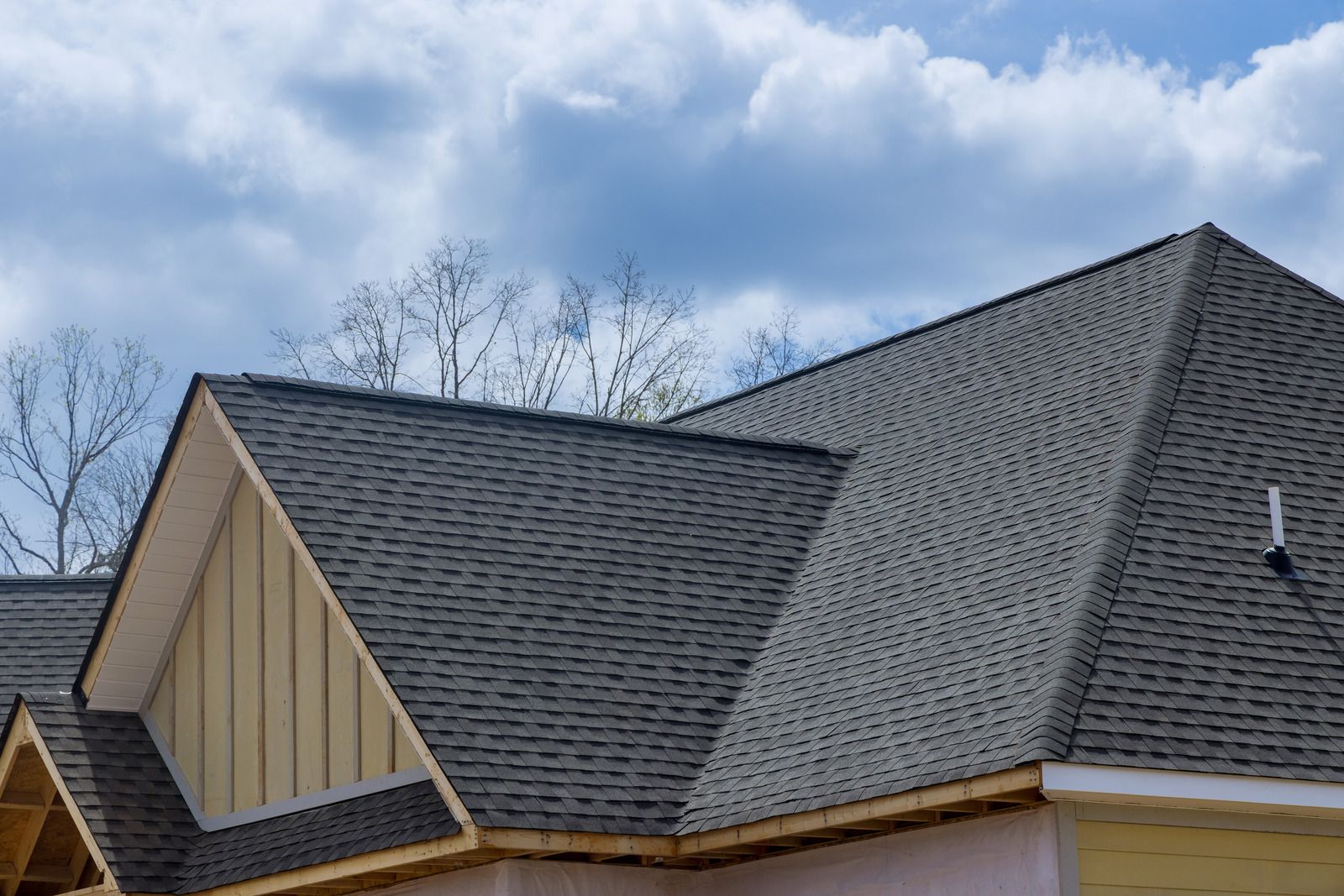
A roof is more than just a structural element of a building—it is the first line of defense against the elements. From heavy rain and wind to scorching sun and debris, your roof endures constant exposure to environmental stressors that can gradually compromise its integrity. Unfortunately, many property owners overlook routine roofing maintenance, assuming that roofs are built to last indefinitely without intervention. This misconception often leads to minor issues escalating into major, costly problems, affecting both the safety and value of a property. Regular maintenance is not merely a precaution; it is an investment that protects your home or commercial building while extending the life of one of its most critical components.
Understanding the importance of consistent inspections, cleaning, and repairs is essential for any responsible property owner. By proactively addressing wear and tear, you can prevent leaks, structural damage, and energy inefficiency while maintaining the aesthetic appeal of your building. In this comprehensive guide, we will explore why roofing maintenance is crucial, identify common challenges, and outline actionable strategies to preserve roof longevity. Whether you are managing a residential property or a commercial facility, these insights will equip you to make informed, cost-effective decisions.
Understanding Roofing Wear and Tear
Natural Aging and Environmental Factors
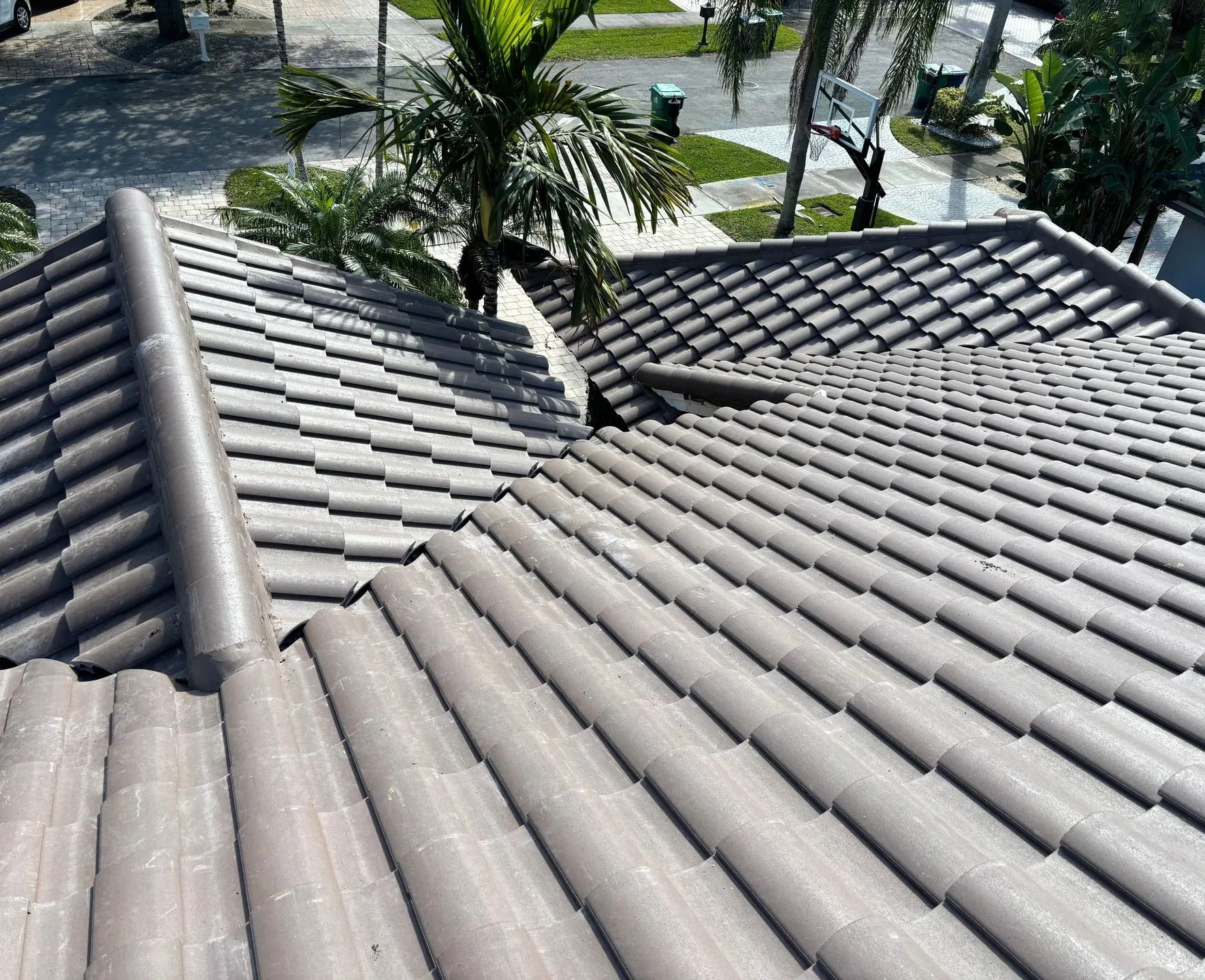
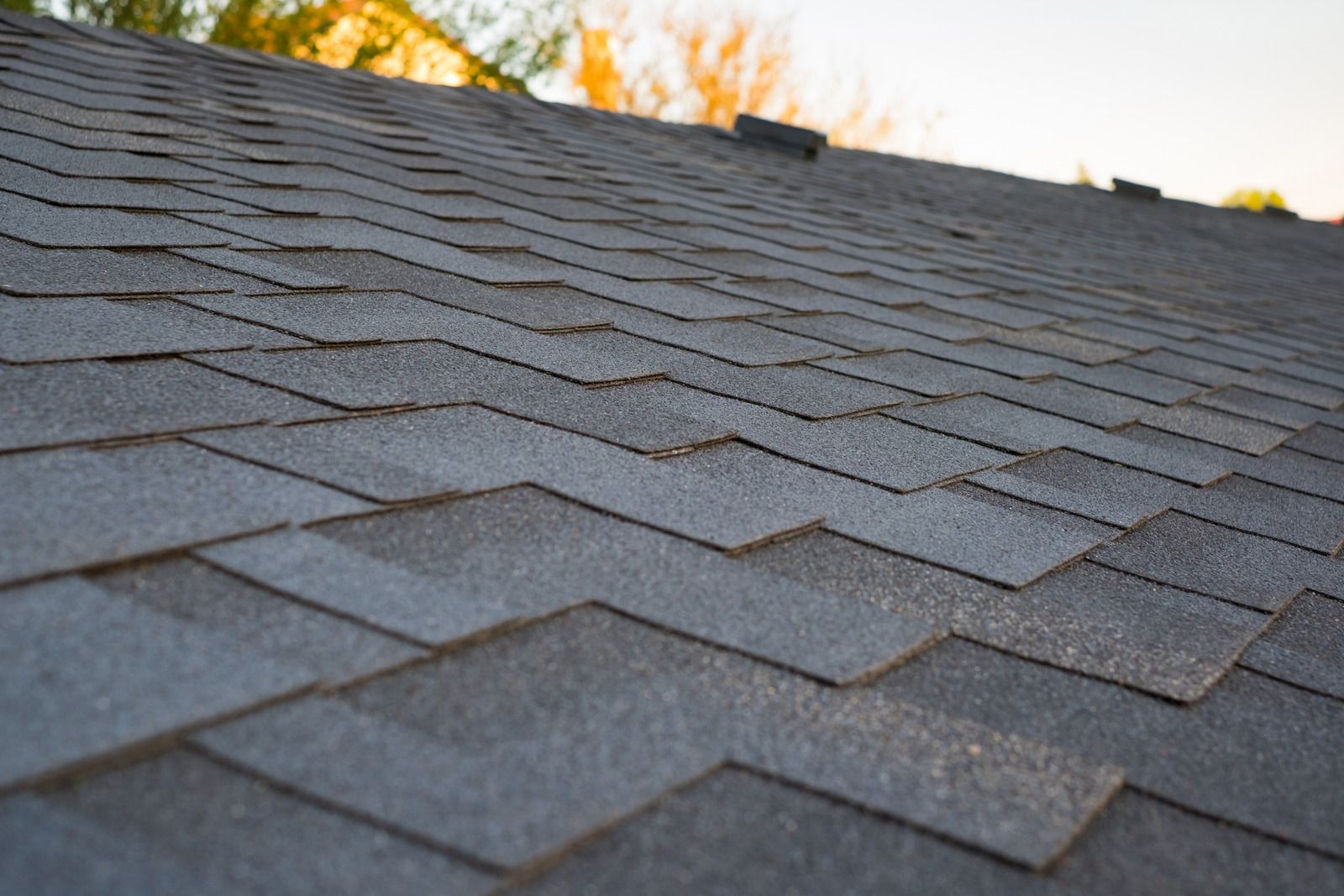
All roofing materials, from asphalt shingles to metal and tile, experience natural aging over time. Exposure to UV rays, wind, rain, and fluctuating temperatures gradually degrades the structural and protective layers of the roof. Asphalt shingles may curl or crack, metal panels can rust, and tiles may loosen or break. Even high-quality materials are not immune to these forces, making regular inspections critical. Environmental factors like hailstorms, heavy rainfall, and extreme heat accelerate wear, highlighting the importance of preventive maintenance rather than reactive repairs.
Common Warning Signs
Recognizing early warning signs can prevent minor issues from turning into major problems. Look for missing or cracked shingles, rust stains, moss or algae growth, sagging areas, and water stains on ceilings or attic walls. Roof leaks, though sometimes subtle, indicate underlying damage that can compromise structural integrity. Regular visual inspections, both on the roof and from the ground, help identify these problems before they escalate.
Real-World Scenario
Consider a property in a coastal region prone to heavy storms. Without regular maintenance, saltwater exposure and strong winds can accelerate corrosion on metal roofs and loosen shingles on asphalt or tile roofs. A simple annual inspection and prompt repair of minor damages could prevent expensive structural replacements and interior water damage, saving thousands of dollars.
Regular assessment of roofing wear and tear is the foundation of a proactive maintenance plan. By understanding how materials age and monitoring for warning signs, property owners can take timely action to protect their investments.
Benefits of Regular Roofing Maintenance
Extending Roof Lifespan
Routine maintenance significantly extends the lifespan of a roof. Small repairs, such as replacing missing shingles or resealing flashing, prevent water infiltration and material deterioration. Maintaining gutters and removing debris ensures proper drainage, reducing stress on roofing components and preventing premature failure. With consistent care, a roof can reach or even exceed its expected lifespan, delaying the need for costly replacement.
Enhancing Energy Efficiency
A well-maintained roof contributes to better energy efficiency. Damaged or poorly sealed roofs allow air leaks that force HVAC systems to work harder, increasing utility costs. By ensuring the roof is in optimal condition, insulation performs effectively, and indoor temperatures remain stable. Reflective coatings, proper ventilation, and the removal of moss or debris can further improve energy savings, highlighting maintenance as both a protective and cost-saving measure.
Preventing Costly Repairs
Ignoring minor roofing problems often leads to expensive emergency repairs. A small leak left unattended can damage structural beams, ceilings, and interior walls, resulting in extensive repair work. Preventive maintenance reduces the likelihood of unexpected expenses, allowing property owners to plan budgets effectively rather than facing sudden, high-cost repairs.
Protecting Property Value
A damaged roof can significantly reduce property value. Regular maintenance preserves the roof’s appearance and functionality, making properties more attractive to potential buyers or tenants. Inspections and documentation of maintenance history also demonstrate proactive care, increasing buyer confidence and resale potential.
Key Roofing Maintenance Practices
Scheduled Inspections
Regular inspections are the cornerstone of effective roofing maintenance. Property owners should schedule professional inspections at least twice a year—typically in spring and fall—to assess the roof’s condition. Inspectors evaluate shingles or tiles, flashing, gutters, ventilation, and attic spaces to identify potential issues before they escalate.
Cleaning and Debris Removal
Accumulated leaves, branches, and dirt can obstruct drainage and promote water retention. This leads to mold growth, rot, and corrosion. Cleaning gutters and downspouts, clearing debris from the roof surface, and addressing moss or algae growth are essential maintenance tasks that improve both functionality and appearance.
Minor Repairs and Sealants
Promptly addressing minor damage prevents it from spreading. Replace broken or missing shingles, seal cracks, and repair flashing around chimneys and vents. Applying roof sealants can enhance waterproofing, particularly on flat roofs prone to pooling water. Regular attention to these details reduces long-term repair costs.
Roof Ventilation and Insulation Checks
Proper ventilation prevents heat and moisture buildup in attics, which can deteriorate roofing materials and compromise insulation. Inspecting vents, ensuring airflow, and checking insulation effectiveness help maintain a healthy roof environment.
Seasonal Preparation
Preparing for seasonal changes is a proactive strategy. Before the rainy season, ensure the roof is free from leaks, gutters are clear, and flashing is secure. Ahead of winter, remove debris and inspect for vulnerabilities caused by storms or heavy snow. Seasonal readiness minimizes the risk of damage during extreme weather events.
Challenges in Roofing Maintenance
Accessibility and Safety Concerns
Roofs can be difficult and hazardous to access, making DIY inspections risky. Sloped surfaces, fragile materials, and weather conditions increase the potential for accidents. Hiring experienced professionals ensures safety while providing thorough assessments.
Hidden Damage
Not all roofing issues are visible from the ground. Water infiltration, deteriorating underlayment, and hidden rot can exist beneath seemingly intact surfaces. Professional inspections with specialized tools, such as infrared cameras or moisture meters, uncover these hidden problems before they become severe.
Budget Constraints
Some property owners delay maintenance due to perceived costs. However, postponing routine care often results in significantly higher expenses in the long term. Understanding the cost-benefit ratio of regular maintenance is crucial: minor, affordable repairs now prevent major replacement costs later.
Material-Specific Considerations
Different roofing materials have unique maintenance needs. Asphalt shingles may require more frequent inspections for curling and granule loss, while metal roofs need checks for rust and sealant integrity. Understanding material-specific challenges ensures proper care and longevity.
Best Practices for Effective Maintenance
Establish a Maintenance Schedule
Creating a structured maintenance schedule helps ensure consistent care. Document inspection dates, repairs, and cleaning activities. A proactive schedule prevents oversight, allowing for timely interventions and cost-effective management.
Use Professional Roofing Services
While some tasks, like debris removal, can be managed by property owners, professional roofing contractors offer expertise, safety, and advanced tools. Professionals can identify subtle signs of wear, provide quality repairs, and implement preventative measures that homeowners might overlook.
Maintain Records
Documenting all maintenance activities, inspections, and repairs is a best practice. Detailed records help track roof performance over time, support warranty claims, and provide transparency for insurance or resale purposes.
Invest in Quality Materials
High-quality materials require less frequent maintenance and are more resilient to environmental stress. Selecting durable shingles, tiles, or metal panels, along with proper underlayment and ventilation, enhances long-term performance. Maintenance remains essential, but superior materials reduce the frequency and severity of repairs.
Encourage Early Intervention
Addressing minor issues immediately is a cornerstone of effective maintenance. Delaying repairs increases the likelihood of water damage, structural compromise, and higher costs. Early intervention protects both the roof and the interior integrity of the property.
Educate Property Stakeholders
For commercial properties, educating tenants, facility managers, and staff about roof care practices—such as avoiding rooftop storage and reporting leaks promptly—supports long-term maintenance efforts. Engaged stakeholders contribute to early problem detection and ongoing preservation.
Leveraging Technology in Roofing Maintenance
Drones and Aerial Inspections
Modern roofing maintenance increasingly incorporates drone technology. Drones provide high-resolution aerial imagery that allows contractors to inspect roofs safely, quickly, and comprehensively. This is particularly useful for large commercial properties or difficult-to-access rooftops.
Infrared and Moisture Detection
Infrared cameras and moisture meters help detect hidden leaks, water infiltration, and insulation inefficiencies. These tools identify problems that are not visible to the naked eye, enabling targeted interventions and reducing unnecessary repairs.
Maintenance Software
Roofing maintenance software allows property owners and contractors to schedule inspections, track repairs, and manage documentation digitally. Automated reminders and recordkeeping streamline preventive maintenance, ensuring timely action and reducing the risk of overlooked tasks.
By embracing technology, property owners enhance efficiency, accuracy, and safety in roofing maintenance, ultimately extending roof lifespan and reducing costs.
Reliable Roof Maintenance From Sunrise Roofing Professionals
Century Roofing Inc has been a trusted roofing contractor in Sunrise, Florida, for over 30 years. Our extensive experience spans residential and commercial roofing projects, allowing us to deliver reliable, high-quality solutions tailored to each property’s needs. We understand that regular maintenance is the key to prolonging roof lifespan, preventing water damage, and protecting property investments.
Our team of certified professionals conducts thorough inspections, identifies potential issues early, and performs precise repairs using industry-leading materials and techniques. We prioritize safety, efficiency, and transparency in every project, ensuring that property owners receive peace of mind and long-lasting results. From routine cleaning and gutter maintenance to advanced leak detection and roof restoration, Century Roofing Inc
provides comprehensive services that address all aspects of roofing care.