Shingles or Tiles Missing After a Storm? What to Check Before the Next Rain
August 27, 2026
QUICK ANSWER: If you spot missing shingles or tiles after a storm, walk the perimeter of your home and look up before you do anything else — most of the damage worth worrying about shows from the ground. Focus on the roof edges, ridges, and rakes first, since those border areas take the brunt of wind uplift and fail before the open field of the roof does. Check your yard and gutters for debris and granules, note whether any shingles are flapping or lifted rather than fully gone, and look closely at flashing around vents, chimneys, and skylights. A missing shingle or two doesn't always mean an emergency, but it does mean the underlayment beneath it is now your roof's only line of defense, and that layer was never built to handle repeat storms on its own.
You walk out after the wind dies down and there it is — a bare patch on the roofline where a shingle used to be, or a tile sitting cracked in the flower bed. Your first instinct might be to shrug it off if the ceiling inside still looks dry. That instinct is the one that gets South Florida homeowners in trouble every hurricane season.
A roof doesn't fail all at once. It fails at the edges first, then works its way in, and a storm that only knocks a few pieces loose has usually stressed a lot more of the roof than what you can see missing. Here's how to read what's actually happened up there, and what to check before the next band of rain rolls through.
The roof edge fails first — and that's where to start looking.
Wind doesn't hit a roof evenly. As air moves across a sloped surface, it accelerates and creates uplift pressure that concentrates hardest at the edges, ridges, and rakes — the border areas where the roof covering ends. Federal hurricane mitigation guidance identifies these edge zones as the most frequent starting point for roof covering loss, more so than the broad, open field of shingles or tiles in the middle of a slope. That's not a coincidence. Edge shingles and tiles have less overlap holding them down and take the fullest force of wind trying to get underneath them and peel them back.
So when you're scanning your roof after a storm, don't start in the middle. Start at the eaves, the ridge line, and the rake edges along the gables. That's where you'll usually find the first missing pieces, the first lifted tabs, and the first sign that wind got a grip on the covering. If damage shows up there, assume the rest of the roof took stress too, even where nothing looks obviously wrong yet.
Reading the yard before you climb anything.
You don't need a ladder to do a useful first pass. Walk the full perimeter of the house and look at the ground, the gutters, and the roof from a distance — binoculars help if you have them. Broken shingle pieces, cracked tile fragments, and clumps of dark granules scattered across the lawn or driveway all tell you the roof shed material during the storm, even if you can't see the exact gap from where you're standing.
Check your gutters next. A heavy load of granules pooled at the downspout is a sign of accelerated shingle wear, and a storm can knock loose in one afternoon what would normally take years to shed. Bent or torn gutter sections, and downspouts pulled away from the fascia, point to wind loads strong enough to move metal — which means the roof covering above it was under real pressure too.
One thing to note as you look: is anything still moving? A shingle that's completely gone is a known, fixed problem. A shingle that's still attached at one edge but flapping or lifted in the breeze is an active one. That loose tab is doing damage every time the wind catches it, working the nails looser and widening the gap underneath. It needs attention faster than a spot that's already bare, because it's still tearing.
What a missing shingle actually exposes.
Here's the part that surprises a lot of homeowners: losing the top shingle or tile is not the same as losing the roof. Underneath every shingle or tile roof is a layer of underlayment, a water-resistant barrier fastened directly to the wood decking. That layer exists specifically to catch water if the top covering fails, and a well-installed, undamaged underlayment can hold up reasonably well through a rain or two after storm damage.
But it wasn't designed to be your primary roof covering long-term. It's a secondary barrier, not a permanent one, and it's now taking direct sun, wind, and rain it was never engineered to face alone. Every additional storm that follows adds stress to a layer that's already exposed, and the seams, fasteners, and edges of underlayment are far more vulnerable once nothing sits on top of them. A missing shingle you leave alone for two weeks isn't the same risk on day one as it is by day fourteen.
TIP: Take dated photos of every gap, cracked tile, or lifted shingle you find, from a distance and up close if you can safely get one. A simple photo record — taken the same day as the storm, before any cleanup — gives you and your roofer a clear before picture to work from, and it makes it obvious later whether a repair area is holding or spreading.
Tile roofs and shingle roofs don't fail the same way.
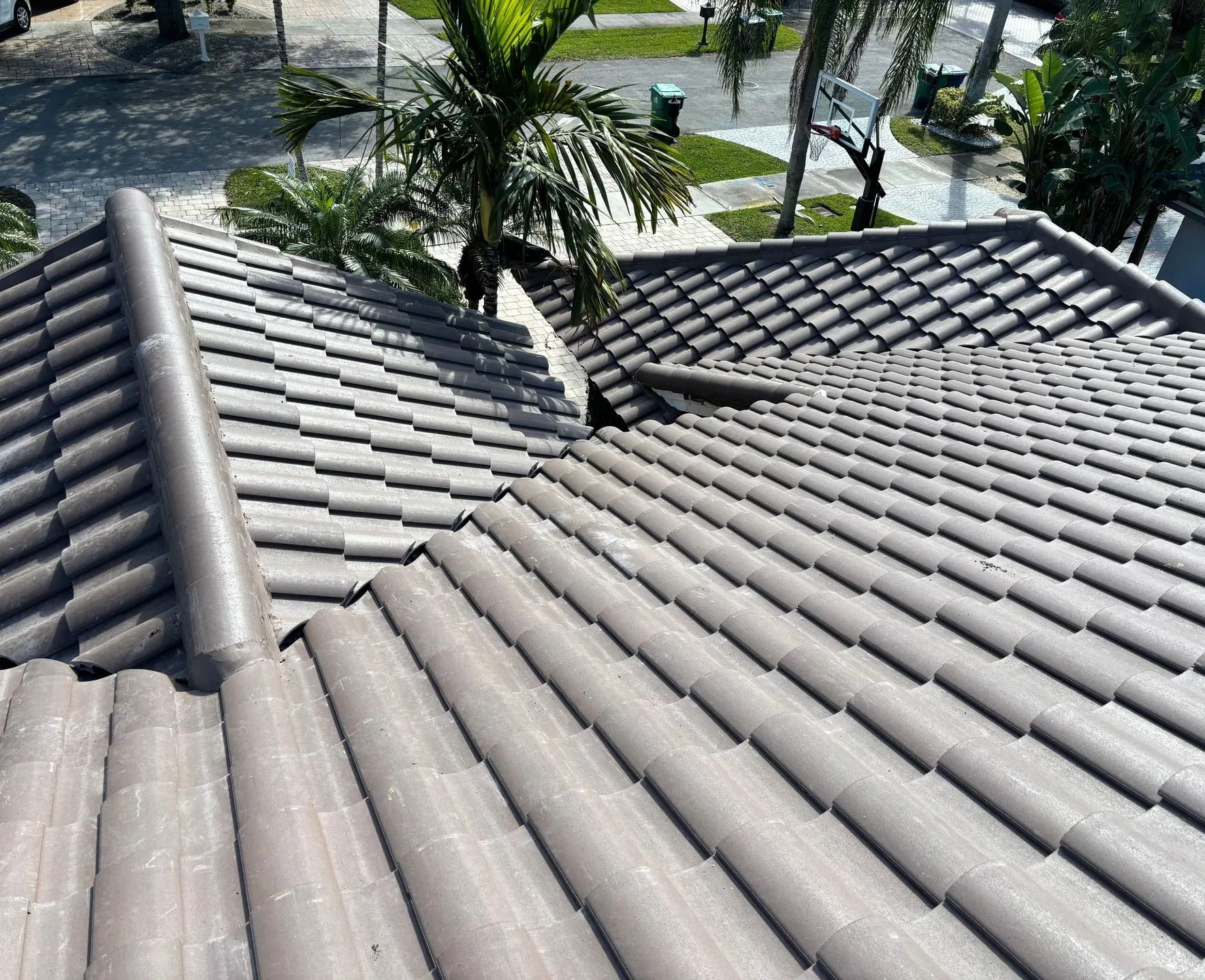
If your home has a tile roof, the damage pattern looks different than it does on shingles, and it's worth knowing the difference before you assess what you're looking at. Tiles are heavier and individually fastened, so wind tends to crack or shift them rather than strip them away completely the way it can with shingle tabs. A cracked tile that's still sitting roughly in place can look fine from the ground while water is already getting underneath it through the crack.
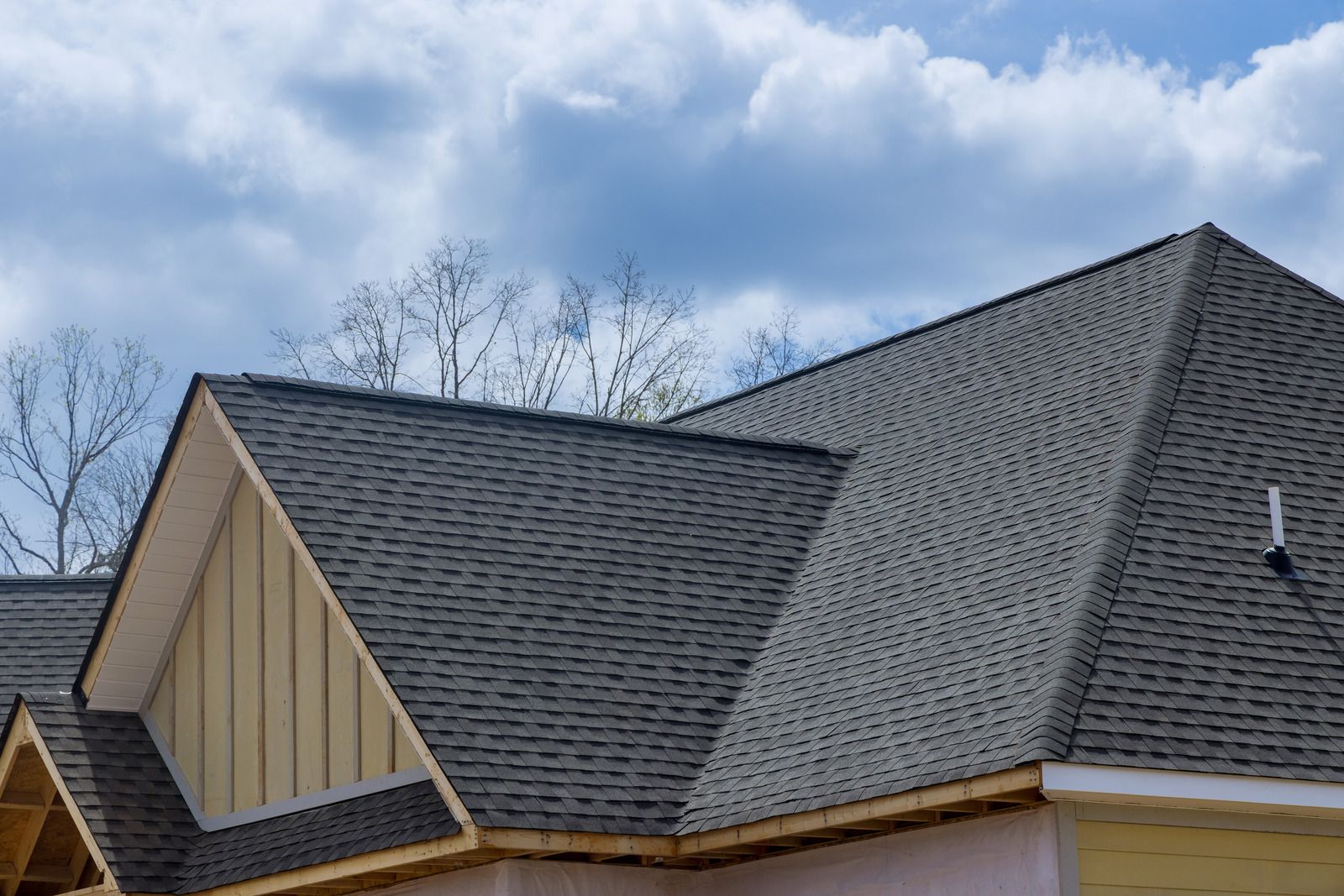
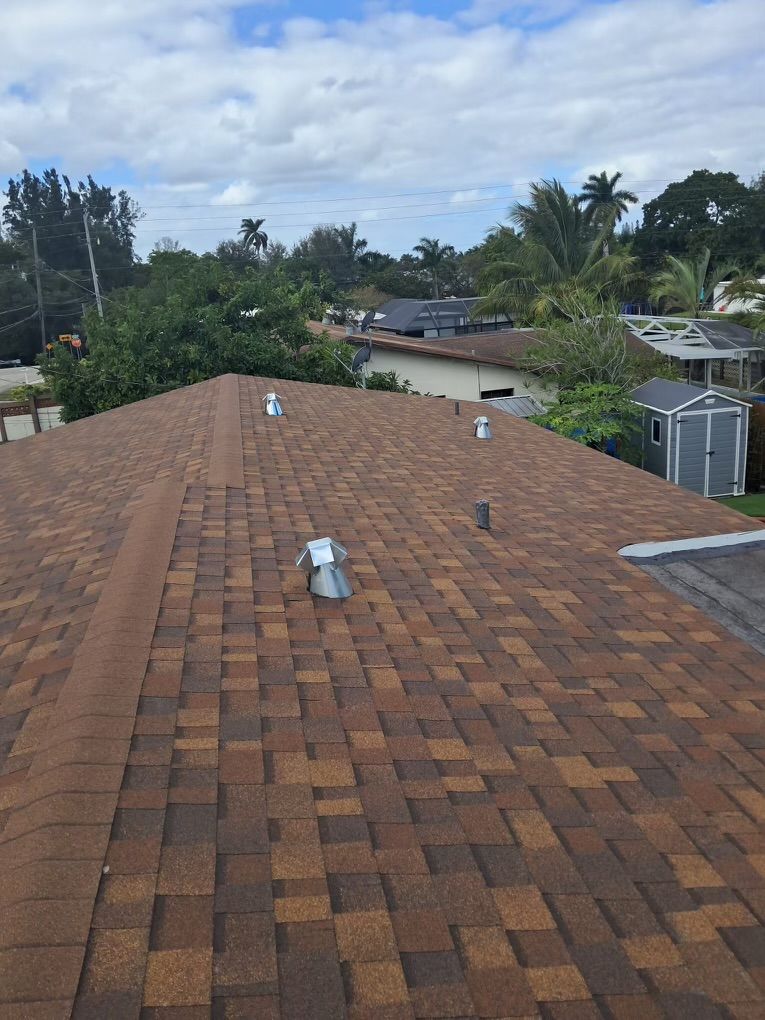
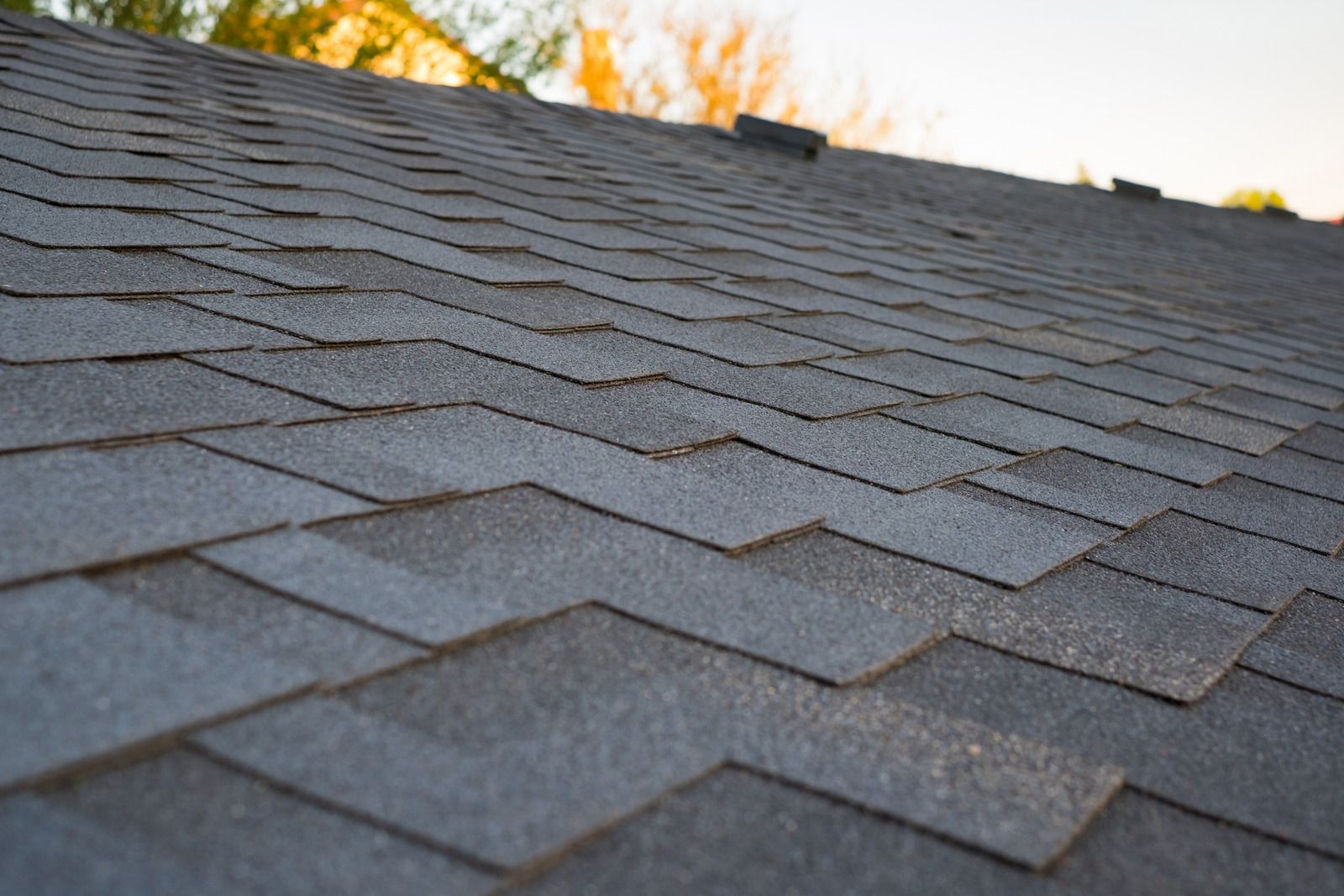
Shingle roofs, by contrast, more often lose whole pieces outright when a storm hits hard enough, because the tab either tears free at the nail line or the adhesive seal between courses breaks. That's why a shingle roof after a bad storm tends to show clean gaps, while a tile roof shows cracked, chipped, or slightly displaced pieces that are easy to miss unless you're looking closely at each course. Either way, the fix depends on catching the specific type of failure your roofing material produces, not assuming a general "storm damage" label covers it.
The slower signs that show up after the obvious ones.
Not every sign of storm stress is dramatic. Some show up gradually over the days and weeks that follow, and they're worth watching for even after the initial cleanup is done. A section of roof that looks slightly uneven or wavy from the street, where it looked flat before, can mean the decking underneath took on moisture or the framing shifted under wind load. Soffit panels that are sagging, stained, or pulling away from the fascia point to water finding a path along the roof edge rather than straight through the covering.
Streaking that appears where it wasn't before, especially dark trails running down from a valley or a roof-to-wall joint, usually means water is now traveling somewhere it didn't used to. None of these are as obvious as a bare patch where a shingle should be, and that's exactly why they get missed. They're worth a second look about a week after the storm, once the initial damage is addressed, not just the day of.
WARNING: Do not walk out onto a wet or storm-damaged roof to inspect it up close yourself. Loose shingles, cracked tiles, and weakened decking can give way without warning, and a roof surface still wet from the storm is far more slippery than it looks. Everything described here can be checked from the ground, a window, or a safe vantage point. Leave the close-up walk of the actual roof surface to someone trained to do it safely.
Why leaving small damage alone costs more than it looks like it will.
It's tempting to treat a couple of missing shingles as a minor cosmetic issue, especially if the ceiling underneath still looks dry. But dry ceilings after a storm don't mean a dry roof deck. Water can travel along the underside of exposed decking and soak into the wood and insulation for a good while before it ever shows up as a stain inside the house. By the time you see it on the ceiling, the moisture has usually already been sitting in the roof assembly.
And the gap itself doesn't stay the same size. Wind-driven rain works at the edges of an existing opening the same way it works at a weak seam, prying a small tear a little wider with each storm. A repair that would have been straightforward the week after the first storm can turn into a larger section of decking replacement by the time a second or third weather event hits the same spot. The roof doesn't heal itself between storms — it just sits exposed, waiting for the next one to make the opening bigger.
What a proper post-storm inspection actually covers.
A homeowner's ground-level walk-around is a good first step, but it's not a substitute for someone getting eyes on every vulnerable point directly. A thorough post-storm inspection works section by section: the ridge and rake edges first, since that's where uplift damage concentrates, then every penetration — vents, chimneys, skylights — checked individually for flashing separation or seal failure. Valleys get checked for debris buildup and worn material, since a valley carries a concentrated flow of water and shows wear faster than flat sections. From the attic side, the underside of the decking gets checked for water trails, staining, and soft spots that point back to an entry location that isn't obvious from outside.
The goal of that process is to find every point that took damage in one pass, not just the piece that happened to fall into the yard. A storm rarely damages only the one shingle you can see is missing. Finding the others — the lifted tab that hasn't torn free yet, the flashing corner that's bent but not obviously leaking — is what keeps a two-day repair from becoming a much bigger project after the next storm finds what the first one weakened.
Frequently Asked Questions
How many missing shingles or tiles means I need repairs right away?
Even one missing piece deserves attention before rain returns. Location matters most, especially along roof edges, ridges, chimneys, or vents where exposed underlayment can quickly become vulnerable to water intrusion.
My ceiling looks dry, so is it safe to wait a few weeks?
Not necessarily. Water may soak into roof decking or insulation long before ceiling stains appear. A dry ceiling only means moisture has not reached the visible interior surface of your home.
What's the difference between a missing shingle and a lifted or flapping one?
A missing shingle leaves a fixed exposed area, while a lifted or flapping shingle continues loosening with every gust. That ongoing movement can widen openings and stress nearby roofing materials further.
Can I just walk on my roof after a storm to check it myself?
Avoid walking on a storm-damaged roof. Loose materials, weakened decking, and wet surfaces create serious fall risks. Complete your initial inspection safely from the ground and leave closer checks to professionals.
Why does my tile roof look fine but I'm still worried about damage?
Tile damage can be difficult to spot from below. Hairline cracks or slight shifting may allow water underneath despite appearing intact, making a closer inspection important following significant storm conditions.
How soon after a storm should a roof get checked?
Check your roof as soon as conditions are safe, preferably within two days. Another inspection about a week later can reveal developing stains, movement, or moisture issues that were initially hidden.
Catching Storm Damage Before Problems Grow Worse
A missing shingle or cracked tile is often only the most visible sign of what a storm has done. Wind can also loosen flashing, shift tiles, weaken roof edges, and create small openings that remain unnoticed until another round of rain arrives. Century Roofing Inc brings 30+ years of experience serving homeowners in Sunrise, FL, with an understanding of how South Florida storms affect different roofing systems and where hidden damage is most likely to develop over time.
Checking the roof carefully after severe weather helps separate isolated surface damage from problems that may continue spreading beneath the roofing material. Paying attention to ridges, valleys, penetrations, flashing, and roof edges provides a clearer picture than focusing only on pieces that have fallen away. When storm damage is identified early, affected areas can be addressed before repeated rain and wind enlarge existing openings, helping preserve the roof deck, underlayment, insulation, and overall integrity of the
roofing system
for years ahead.