Water Stain Spreading on the Ceiling After a Downpour? Where Roofs Usually Leak
July 9, 2026

Quick Answer: A spreading ceiling stain after a heavy rain almost never sits directly under the leak. Water gets in at a detail on the roof, most often flashing around a chimney, vent pipe, skylight, or in a valley, then runs along the decking and framing before it drips through the drywall several feet away. Industry field data attributes roughly 95 percent of roof leaks to these flashing and penetration points rather than the open shingle or tile field. That is why the stain shows up downhill from the real entry point, and why patching the drywall or the spot right above it usually fails.
You come home after one of those afternoon downpours, look up, and there it is: a brown ring on the ceiling that was not there last week, and it looks a little bigger every time it rains. Your first instinct is to find the hole in the roof directly above it. That instinct is almost always wrong, and chasing it is how a lot of homeowners end up paying to patch the same ceiling twice.
Water is patient and it does not fall straight down once it is inside your roof. It slips in at a weak point, follows the path of least resistance along the decking and the framing, and drips out wherever gravity finally lets it. In a South Florida summer, when a single storm cell can dump inches of rain in an hour and drive it sideways with the wind, that hidden weak point gets tested hard and often. Here is where roofs actually leak, why the stain sits where it does, and what a proper diagnosis looks for.
The Anatomy of a Roofing Failure
The stain is downhill from the leak, not under it.
The most useful thing to understand about a ceiling stain is that the water traveled to get there. Your roof is not one solid layer. Under the shingles or tile sits underlayment, then the wood decking, then the rafters or trusses, and often a layer of insulation on the attic floor. When water breaches the outer surface, it moves through and along all of that before it shows up inside.
Depending on the pitch of your roof, the direction the framing runs, and where the water got in, it can travel anywhere from a few inches to ten or more feet horizontally before it finds a seam, a nail, or a low point and drips onto the drywall. Roofing field references commonly cite water traveling ten to fifteen feet along rafters before it becomes visible inside. So the brown ring in your living room may be sitting well below and to the side of the actual problem. That is exactly why cutting out the drywall, painting over the stain, or smearing sealant on the shingle directly above it so often fails. You treated where the water ended up, not where it started, and the next storm finds the same opening.
Roofs almost always leak at the details, not the open field.
If you picture a roof leak as a hole punched through the middle of a healthy slope, you have the wrong mental model. The broad, open sections of shingle or tile are the part of the roof designed to shed water and they are usually the last thing to fail. Leaks start where materials stop, change direction, or get interrupted by something poking through. Industry surveys of residential roof leaks attribute roughly 95 percent of them to flashing and penetration points rather than the field of the roof covering itself.
Flashing around penetrations
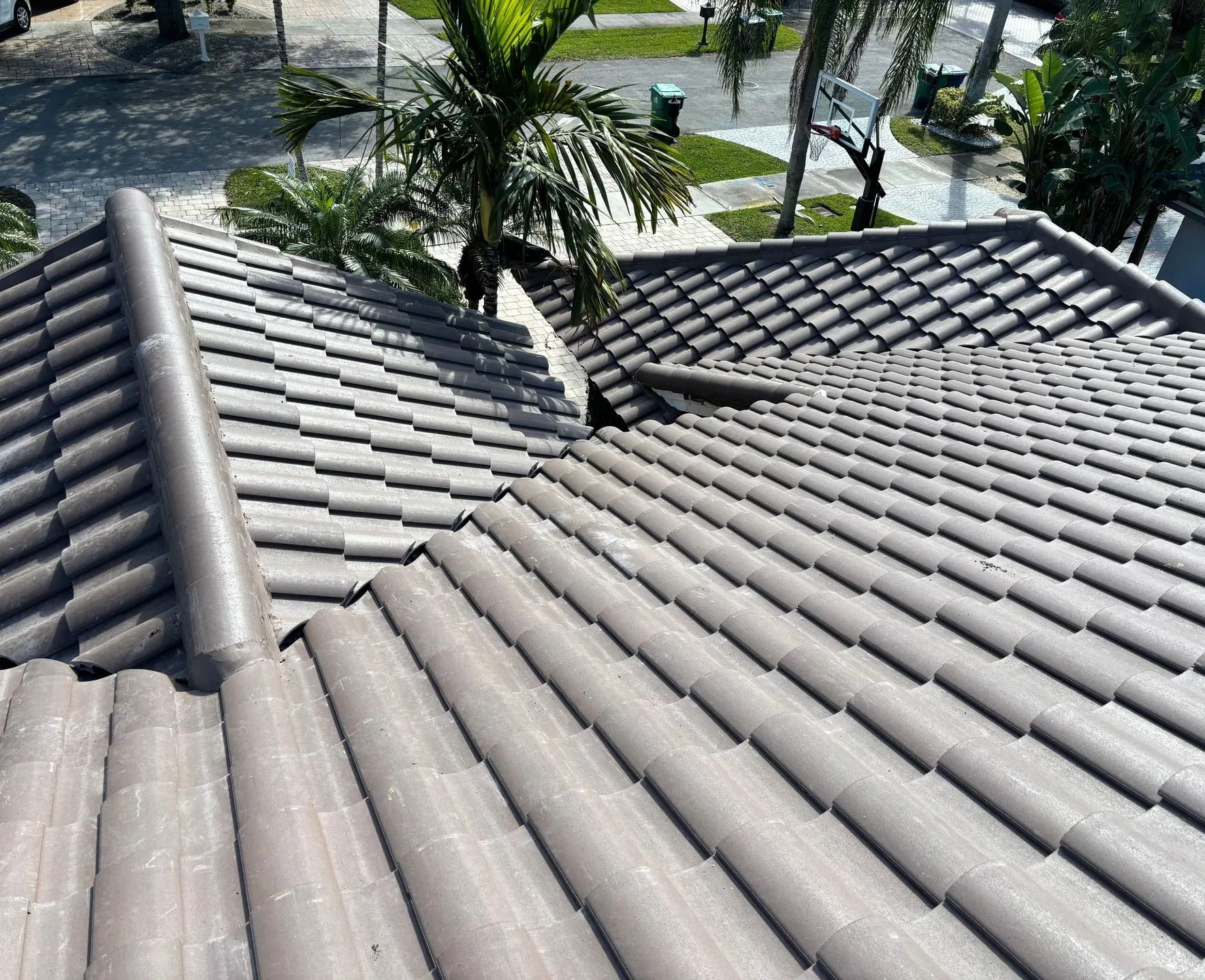
Flashing around chimneys, skylights, vent pipes, and roof penetrations can deteriorate with age and temperature changes. Small gaps allow rainwater inside, making these areas among the most common roof leak sources.
Valleys where two slopes meet
Roof valleys channel large amounts of rainwater during storms. Constant water flow and trapped debris increase wear, allowing moisture to work beneath roofing materials and create leaks if maintenance is neglected.
Wall-to-roof intersections
Where roofs meet exterior walls, properly installed flashing keeps water out. Damaged, rusted, or poorly installed flashing lets moisture enter behind the wall, often causing hidden interior water damage over time.
Aging penetration seals
Rubber boots and sealants around roof penetrations wear out faster than surrounding roofing materials. As they crack or shrink with age, they create easy entry points for rainwater and roof leaks.
Pipe boots are the part most likely to fail first.
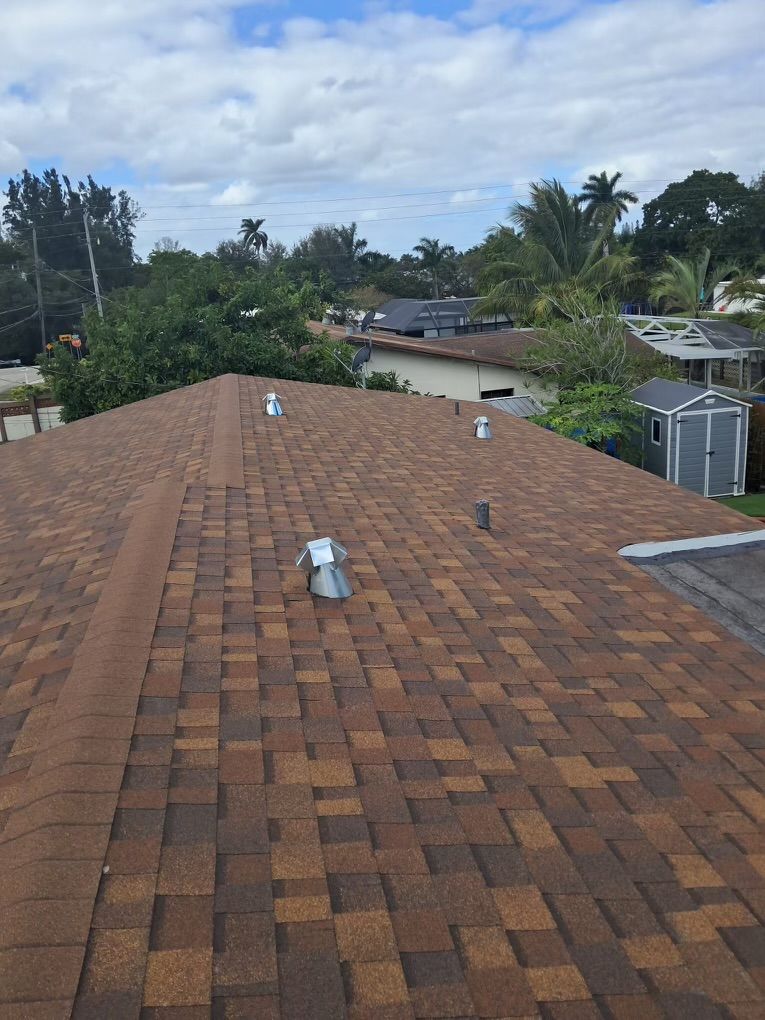
If you have a plumbing vent sticking up through your roof, it is sealed by a pipe boot, a flexible collar, usually rubber, that wraps the pipe and ties into the surrounding roof covering. On a South Florida roof, baked by intense sun day after day, that rubber is living in a hostile environment. Roofing inspection references consistently name pipe boots as the number one component likely to fail in less time than the roof covering itself, because the rubber dries out under UV exposure and cracks.
The typical numbers are worth knowing. Rubber pipe boots often need replacement after roughly ten to fifteen years, and many need a compression sleeve added after as little as five to ten years to stay watertight. That means a boot can fail while the shingles or tile around it still have plenty of life left. A boot that has faded, gone chalky, and developed fine cracks in the rubber is early wear. Once you see splits along the collar where it hugs the pipe, or cracks more than a quarter inch deep, it has stopped doing its one job. A cracked boot is one of the most common reasons a roof that looks fine from the ground develops a slow, spreading interior stain.
What Gets Missed Without Annual Access
Tip: When you first notice a ceiling stain, mark its edge with a light pencil line and note the date. After the next rain, check whether the mark has moved. A stain that keeps growing means water is still getting in and the source is active, which tells a roofer the leak is worth tracing now rather than watching.
The Insurance Dimension
Florida homeowners insurance policies increasingly scrutinize roof age and maintenance records. Some carriers require inspections as a condition of coverage, and claims related to roofs that show signs of long-term neglect can be denied on the basis that the damage was preventable. A documented maintenance history is not just good practice. It is a record that supports your claim when you need it.
Why the stain shows up after the storm, not during it.
One of the more disorienting parts of a roof leak is the delay. You get a heavy afternoon downpour, nothing drips, and you assume you dodged it. Then two or three days later a stain appears on the ceiling seemingly out of nowhere. That is not a new leak. It is the same water working its way through.
Moisture can move slowly through insulation and the layers of a roof assembly, soaking in and releasing gradually. Your attic can hold that moisture for days before it saturates enough to reach the drywall and show a stain. The practical takeaway is that the size of the stain does not tell you the size of the problem. A small entry point left alone can spread moisture across a wide area of decking and insulation, quietly feeding rot and mold, long before the interior sign catches up to what is happening above.
What a real leak diagnosis looks for.
Because the stain is not the source, finding a roof leak is detective work, not a glance at the ceiling. A thorough diagnosis starts by reading how water actually moves on your specific roof: the slope direction, where the valleys sit, how the framing runs, and which way the wind drives rain against the house. From there the attention goes to the details, not the field.
That means getting up close to every penetration and transition. A roofer inspects the flashing at chimneys, skylights, and walls for separation, corrosion, or a seal that has simply aged out. Pipe boots get checked for the fading, chalking, cracking, and collar splits that mark a boot at the end of its life. Valleys get cleared and examined for debris damming and worn material. Inside the attic, the underside of the decking, the rafters, and the insulation are read for water trails, staining, and damp spots that point back uphill toward the real entry. Good documentation, ideally photos, ties it all together so you can see the problem rather than just take someone's word for it.
The payoff of doing it this way is that the repair actually holds. When the true entry point is found and corrected, the water stops. When only the visible symptom gets patched, the leak comes back, usually with a second stain and the frustrating sense that the work did not take.
Frequently Asked Questions
Why is the water stain nowhere near where my roof looks damaged?
Water often enters through damaged flashing or roof penetrations, then travels along decking and framing before dripping through the ceiling. The visible stain usually appears downhill from the true leak, making the source much farther away than most homeowners expect.
The stain appeared days after the rain stopped. Is that possible?
Yes. Water can remain trapped in insulation and roof materials before gradually reaching the ceiling. A stain appearing days later usually means moisture from the previous storm is still working its way through the roof assembly.
My roof looks perfectly fine from the ground, so how can it be leaking?
Describe the item or answer the question so that site visitors who are interested get more information. You can emphasize this text with bullets, italics or bold, and add links.Why does my roof only leak when it rains hard from one direction?
Wind-driven rain can force water beneath flashing and roofing materials that normally shed rainfall. If leaks only occur during storms from one direction, failing flashing or another weather-exposed roof detail is often responsible.
Can I just patch the ceiling and be done with it?
No. Repairing the ceiling only hides the stain, not the roof leak. Unless the actual entry point is repaired, every future storm can continue soaking the roof structure, insulation, and drywall, causing additional hidden damage.
How urgent is a slowly spreading ceiling stain?
A growing ceiling stain means water is still entering your home. Delaying repairs allows moisture to damage decking, framing, and insulation while increasing the risk of wood rot, mold growth, and more expensive structural repairs over time.
Reading the stain the right way.
A spreading ceiling stain after a downpour is not a drywall problem, and it is not sitting under the leak. It is the exit point of water that got in somewhere else, most likely at a flashing detail, a worn valley, or a cracked pipe boot, then traveled through your roof before dripping into view. The broad field of your roof is rarely the culprit. The details are, and in a climate that hammers those details with sun, heavy rain, and wind-driven storms, they are the first things to give. The right response is to stop treating the stain and start tracing the water back to where it truly enters, so the fix actually ends the problem instead of postponing it.
Have the leak traced to its real source — When a ceiling stain keeps spreading after every downpour, the water is entering at a flashing detail, a worn valley, or a cracked pipe boot and traveling through your roof before it shows inside. With 30
years of experience serving
Sunrise, Florida, and the surrounding South Florida
region, Century Roofing Inc
inspects each penetration, transition, and valley up close, reads the water trails in your attic, and pinpoints the true entry point instead of patching the spot below it. Schedule a roof leak inspection with Century Roofing Inc
so the source is found and corrected before the next storm drives more water into your ceiling and decking.